


Building facade leaks commonly involve failed sealant, window perimeters, cracks, drainage paths, flashings, movement joints or interfaces between different facade systems. The visible damp patch is a clue, not proof of the entry point. Inspect the exterior pattern, trace likely water paths and test in a controlled sequence before specifying repair.
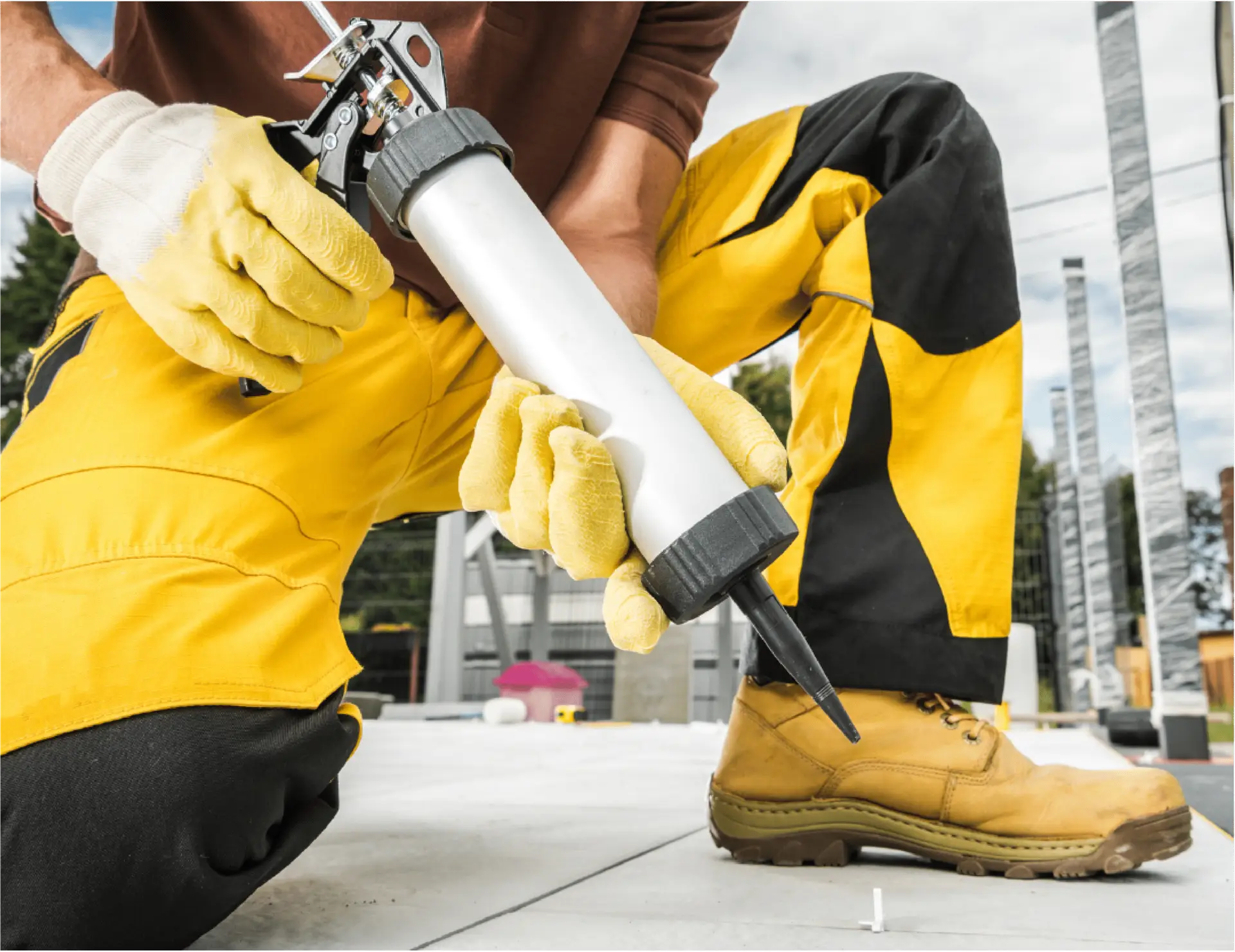
This building facade water leakage guide is for facility managers, building owners, property managers, JMB and MC teams dealing with recurring dampness, window leaks and water marks in Malaysian buildings.
Building Facade Water Leakage: Symptom to Repair Table
| Symptom | Possible cause | Inspection | Repair direction |
|---|---|---|---|
| Dampness around a window corner after wind-driven rain | Perimeter sealant, glazing gasket, frame joint or drainage issue | Inspect joints above and beside the window; check frame drainage | Repair the confirmed failed interface, not every visible joint |
| Vertical water trail below a facade joint | Open joint, failed sealant or water entering at a higher floor | Map the trail and inspect the complete joint line | Prepare and reseal or repair the actual entry route |
| Recurring damp patch after every storm | Crack, movement joint, flashing or concealed interface | Compare wind direction and rainfall; test in sections | Repair after the path is isolated and substrate condition is known |
| Water only during very heavy rain | Overflowing drainage, pressure-driven entry or insufficient detailing | Check outlets, weep holes, gutters, flashings and exposure | Restore drainage or redesign the deficient detail where necessary |
| Leak continues after silicone patching | Wrong diagnosis, poor preparation or another interface | Remove assumptions and repeat a controlled investigation | Use a repair matched to the confirmed failure |
Nine Common Causes of Facade Leakage
- Sealant that has separated from glass, aluminium, concrete or another joint face.
- Hardened or cracked silicone that can no longer accommodate movement.
- Open cracks in rendered, concrete or masonry surfaces.
- Blocked or poorly detailed frame drainage and weep paths.
- Failed gaskets or glazing interfaces.
- Damaged or missing flashings at transitions and parapets.
- Movement joints with unsuitable geometry or backing.
- Interfaces between curtain wall, roof, podium and wall systems.
- Waterproofing deterioration behind the visible finish.
Why the Wet Area May Not Be the Entry Point
Water follows gravity, pressure differences, cavities, frames and structural interfaces. It can enter above a ceiling, travel along a beam and emerge beside a window several metres away. Sealing the internal stain may hide the symptom without stopping the source.
A useful building facade water leakage investigation compares interior damage with exterior joints, floor levels, rain direction a
nd facade details. Mark findings on elevation drawings so separate leaks are not treated as one defect.
Inspect Before Water Testing
Begin with records: when did the leak occur, how long did it last, which wind direction was involved and whether earlier repairs changed the pattern. Review facade drawings, previous reports and product information where available.
Close visual access can then identify cracks, open joints, adhesion failure, blocked drainage or staining. Water testing should follow an agreed method, starting from lower or simpler sections and progressing carefully. Spraying the whole facade at once may reproduce the leak but tells the team little about the entry point.
Match the Repair to the Failure
Failed sealant may require removal, surface preparation, backing, primer where specified and a compatible replacement. A crack may need assessment to determine whether it is stable, moving or connected to another defect. Drainage problems should be cleared or corrected without sealing intentional openings.
Do not treat a waterproof coating as a substitute for diagnosis. Coatings can be useful on suitable substrates, but they may trap moisture or bridge a defect only temporarily if movement and interfaces are ignored.
A facade water leakage repair is more reliable when the diagnosis, preparation and acceptance method are written down. Recheck the same facade water leakage location after suitable weather or controlled testing instead of closing the record immediately.
Keep Safety and Access in the Investigation
High-level leakage work may require rope access, a gondola, platform or scaffolding. The method must support close observation and controlled testing while protecting occupants and people below. The DOSH work-at-height guidance is a useful planning reference.
What a Leakage Report Should Contain
- Interior and exterior locations linked by floor and elevation.
- Weather and leak history.
- Visible defects and access limitations.
- Testing sequence and observations.
- Likely and excluded causes.
- Recommended repair scope, assumptions and follow-up.
For more detail on failed joints, read the guide to high-rise silicone sealant replacement.
Frequently Asked Questions
Can failed silicone cause window leakage?
Yes, but window leaks can also involve gaskets, drainage channels, flashings, frame joints or cracks. Confirm the path before replacing silicone.
Why does a leak happen only during strong wind?
Wind can drive rain against joints and create pressure that moves water through small openings. The exposed elevation and storm direction are useful investigation clues.
Can waterproof coating stop every facade leak?
No. A coating must suit the substrate and defect. Open joints, drainage failures and moving cracks may require different repairs.
Should every crack be sealed?
Cracks should first be observed and assessed. Their width, movement, location and relationship to the facade system determine the repair approach.
How is a facade leak tested?
Testing may involve controlled water application to selected sections while the interior is observed. The sequence should isolate likely entry points rather than wetting the whole facade at once.
Request a Site Assessment
Vertical Pro Sdn Bhd supports high-rise facade inspection, sealant work and waterproofing scopes for suitable buildings. A site investigation can narrow the building facade water leakage path before repair begins. Review Vertical Pro’s building waterproofing and silicone or contact the team to discuss the building, access constraints and intended outcome.
Prepared by Vertical Pro Sdn Bhd for building owners, facility managers, property managers, JMB and MC committees. This article provides general building-maintenance information. The final method, access system and repair or cleaning specification should be confirmed for the actual building and site conditions.